Technology

A stack that handles backend, frontend, mobile, APIs, data, infrastructure and safe changes after launch.

Technical signal

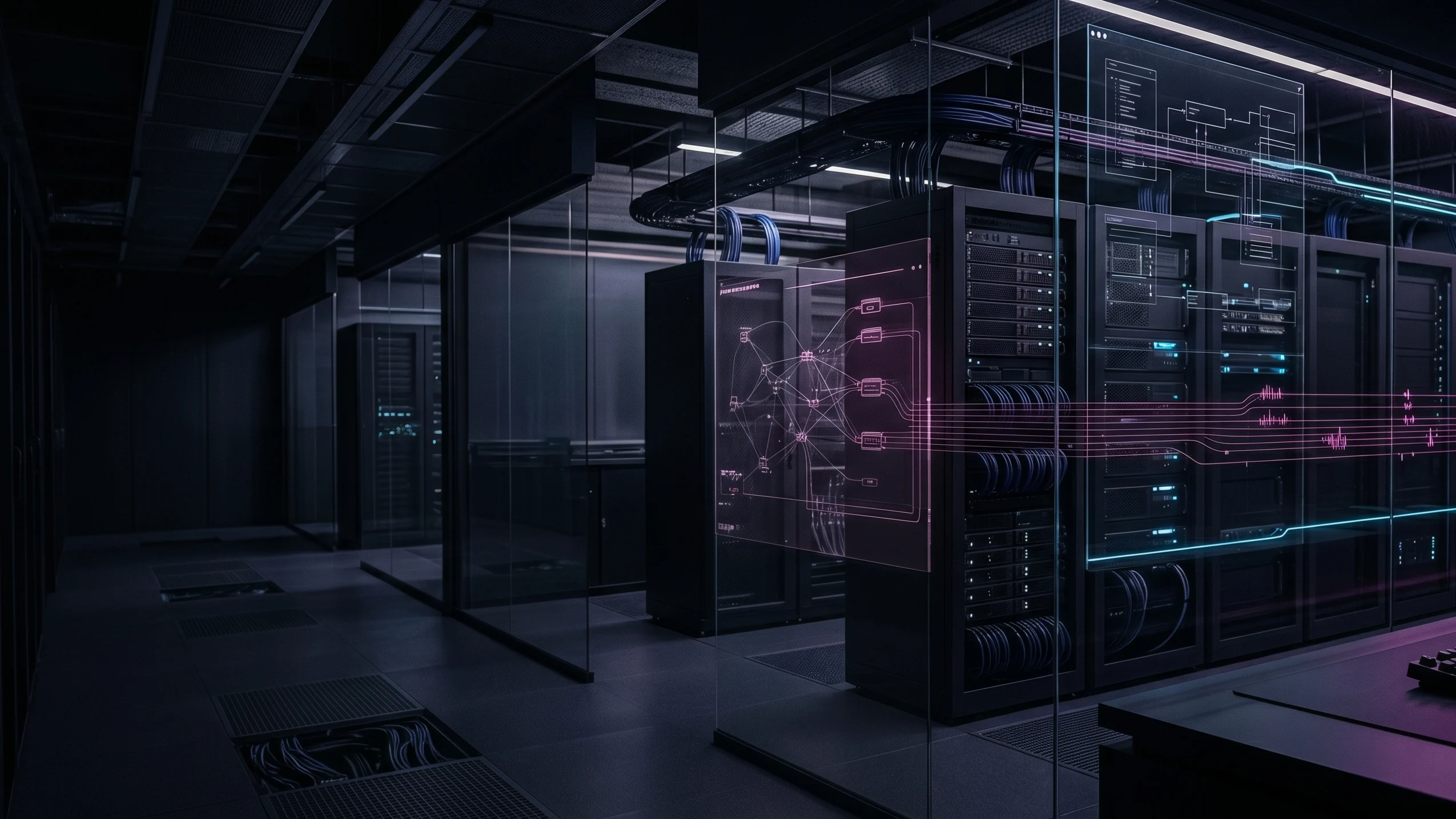
A system should expose its risks before they reach production.

This is not a public API. It is a compact way to show how we think about technical work: name the boundaries, make dependencies visible and keep release ownership close to the build.

RequestGET /technical-riskAccept: application/json
Response200 OK
{
  "boundaries": "named early",
  "dependencies": "visible",
  "release_path": "operable",
  "ownership": "senior"
}

Example contract for positioning and A/B testing.

Capability map

A capability map organized by the layer that carries the risk.

Each layer names the pressure it tends to carry and the move that resolves it: workflow, UX, API contract, data model, queue, deploy path, infrastructure or AI pipeline.

From layer to delivery

Once the risky layer is visible, the work needs a safe production path.

Technology choices only matter when they become a delivery sequence: map the workflow, validate the risky slice, ship in useful increments, document the decisions and keep production observable after release.

Once the risky layer is visible, the work needs a safe production path.
See the delivery process
  1. Validated slice
  2. Small release
  3. Observable rollout

FAQ

Questions about the stack and our approach.

Why Ruby on Rails, not something newer?

Rails is mature and predictable where build speed matters without losing quality. We reach for newer tools where they actually solve the problem, not because they're trendy.

Do you work with the legacy stack we already have?

Yes. We start by reading the code and assessing risk, then propose modernization in steps - not a rewrite from scratch.

Do you use AI to write code?

Yes, where it shortens repeatable work. Architecture, tests and review stay with the senior engineer.

Do you handle frontend and mobile, or just backend?

Both. React, TypeScript and Solid.js on the frontend, plus mobile-facing flows when the project needs them.

How do you keep production secure and stable?

Monitoring, tests, controlled deploys and clear data ownership are part of the build from day one, not an audit at the end.